


Cloud Server
Cloud Servers for scalable applications and business infrastructure
menkiSys cloud servers provide scalable virtual infrastructure for web applications, databases, development environments and enterprise workloads. Our virtual servers run on modern Microsoft Hyper-V clusters with enterprise NVMe storage and redundant network connectivity inside our Austrian datacenter infrastructure. Businesses can deploy Windows cloud servers, Linux cloud servers or custom virtual machines with flexible CPU, RAM and storage configurations. This enables organizations to operate applications, websites, development environments and cloud services without investing in physical hardware.
ORDER CLOUD SERVER REQUEST CONSULTATION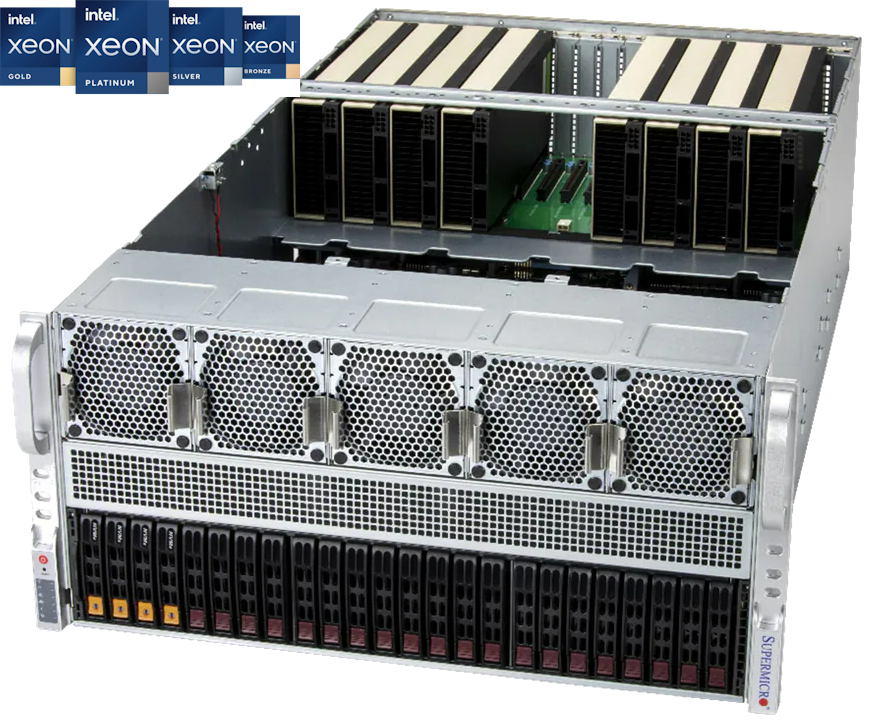
- 2 vCPU
- 2 GB RAM
- 50 GB NVMe SSD
- Traffic flat
- 4 vCPU
- 4 GB RAM
- 100 GB NVMe SSD
- Traffic flat
- 8 vCPU
- 8 GB RAM
- 150 GB NVMe SSD
- Traffic flat
- 16 vCPU
- 16 GB RAM
- 200 GB NVMe SSD
- Traffic flat
- 16 vCPU
- 32 GB RAM
- 400 GB NVMe SSD
- Traffic flat
What is a cloud server?
A cloud server is a virtual machine running on high-performance hardware inside a professional datacenter environment. Using modern virtualization technologies such as Microsoft Hyper-V, multiple isolated virtual servers – often referred to as vServers – can be deployed on a single physical host system. Each of these virtual cloud servers is allocated defined resources such as vCPU, memory, storage capacity and network connectivity, and behaves like an independent physical server during operation. This architecture creates a flexible, cost-efficient and scalable hosting solution for modern IT environments. A virtual cloud server, also known as a vServer, is particularly suitable for companies that want to operate applications, databases, development environments, business software, web applications or websites in a flexible infrastructure without investing in their own physical server hardware. Instead of carrying high acquisition, maintenance and operational costs for dedicated server systems, organizations can simply rent a cloud server and use the required resources on demand. This model is especially beneficial for growing projects where infrastructure requirements evolve over time. One of the key advantages of cloud server hosting is its high scalability. CPU performance, RAM capacity, NVMe or SSD storage and other resources can usually be expanded far more easily on a professional cloud server than on a traditional physical server. Businesses that want to rent a Windows cloud server or rent a Linux cloud server benefit from an infrastructure model that can grow together with their applications, workloads and user demands. Cloud servers and vServers also provide significant advantages in terms of availability and operational stability. Because virtual machines run on powerful host systems within a professional datacenter infrastructure, they can be backed up, replicated, migrated or relocated to other physical systems within a high-availability cluster environment. This significantly improves operational resilience and reduces the risk of service interruptions caused by hardware failures. For business applications, web portals, e-commerce platforms, customer platforms, development environments and digital enterprise services, this combination of flexibility, availability and predictable performance is a critical operational advantage.
Enterprise Cloud Infrastructure
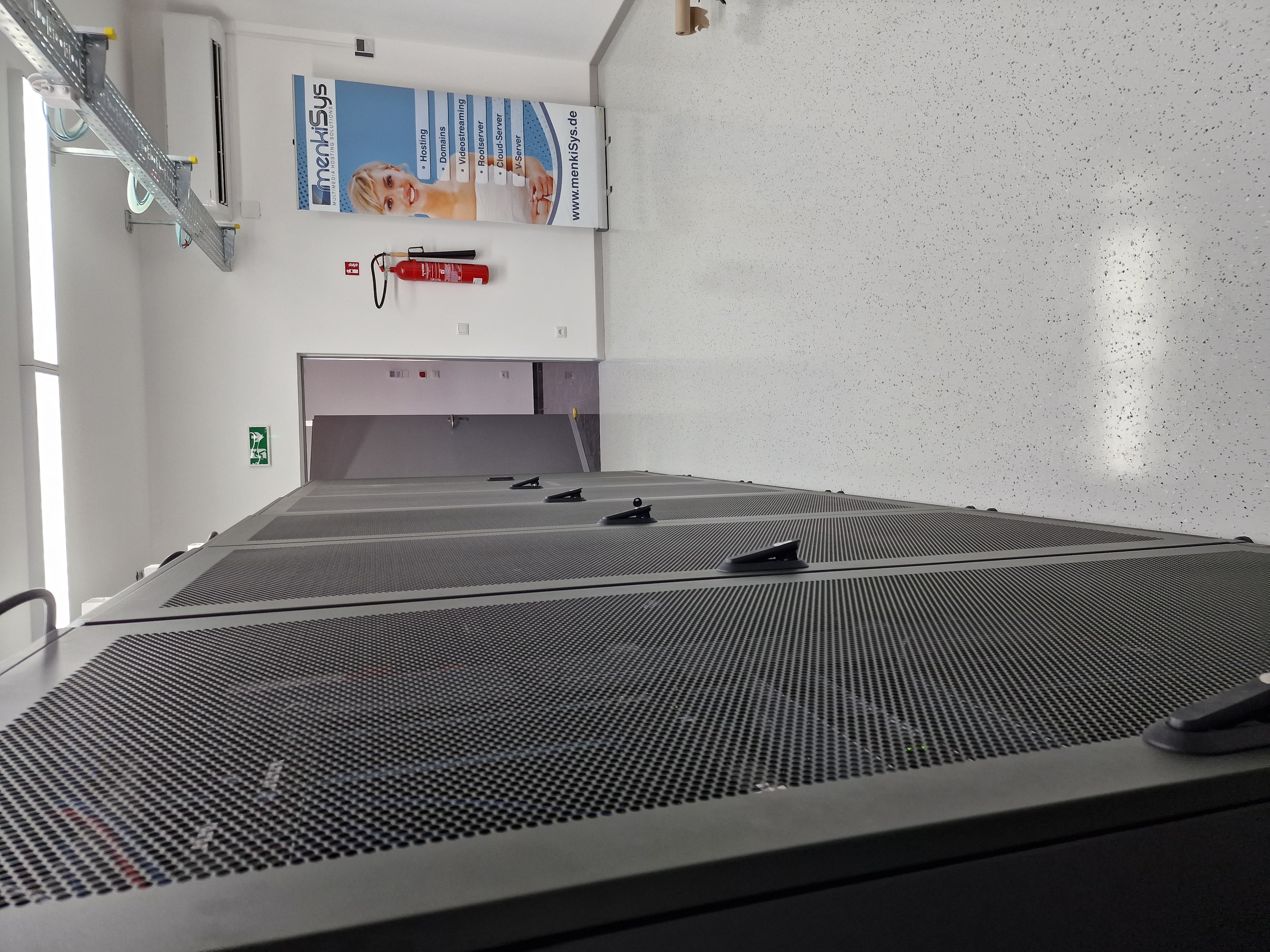
menkiSys cloud servers run on high-availability Microsoft Hyper-V clusters using enterprise NVMe storage systems and redundant networking inside our Austrian datacenter.
Flexible scalability
CPU, RAM and storage resources can be scaled easily as application requirements grow, enabling companies to adapt infrastructure capacity without replacing hardware.
Enterprise backup systems
Snapshot backups and offsite replication options allow organizations to protect critical data and restore entire virtual servers quickly if necessary.